If you're looking at the self-storage space right now, you're probably asking the same question as everyone else ready to put money to work: Should I build… or should I buy?
Here’s the honest answer—there’s no universal “right” move. But there is a smarter move depending on your timing, risk tolerance, and what’s happening in your specific market.
Let’s break it down.
The Case for Building Self-Storage (Development)
Development has always been the “go big or go home” strategy in self-storage. And right now, it’s not for the faint of heart.
Why Investors Still Build
1. Higher long-term upside
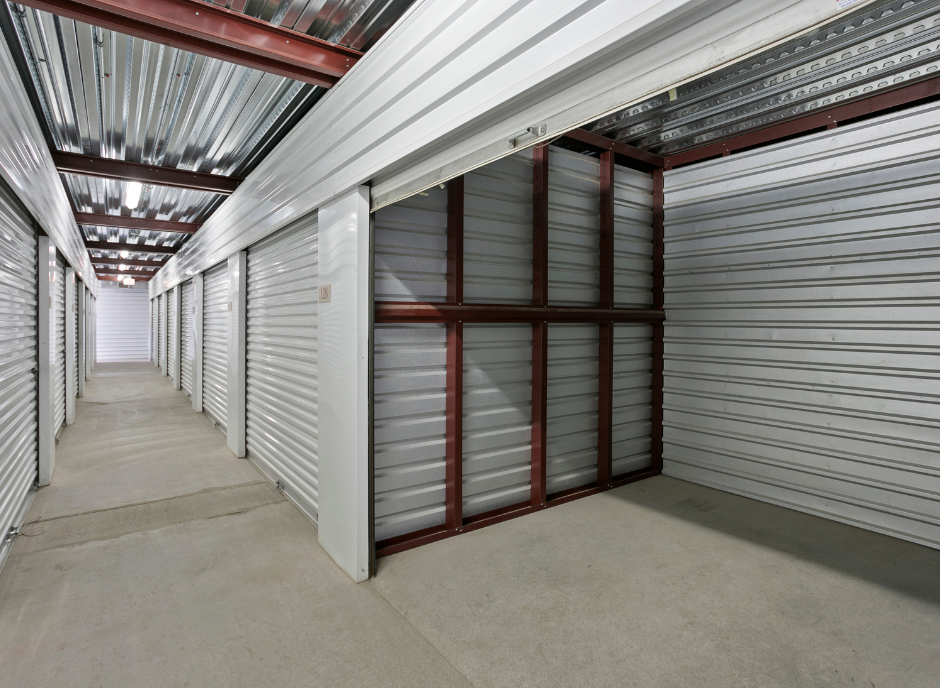
You’re creating a modern facility with optimized unit mix, climate control, and tech integration. That typically means stronger rents and better positioning long-term.
2. Less competition at delivery (in the right markets)
With rising construction costs and tighter lending, many developers have pulled back. That means projects breaking ground today may deliver into a less crowded environment.
3. You control the product
No inherited problems. No outdated layouts. No mystery maintenance issues.
The Reality Check
1. Construction costs are still elevated
Material and labor costs haven’t meaningfully dropped. Margins can get squeezed fast.
2. Entitlement risk is real
Zoning, permits, community pushback—it can delay or kill deals before they even start.
3. Lease-up risk
You’re starting from zero. If demand softens, you’re carrying the asset longer than expected.
4. Financing is tighter
Lenders are more conservative, requiring more equity and stronger sponsorship.
Translation: Development today is a bet on where the market will be in 24–36 months—not where it is right now.
The Case for Buying Existing Facilities
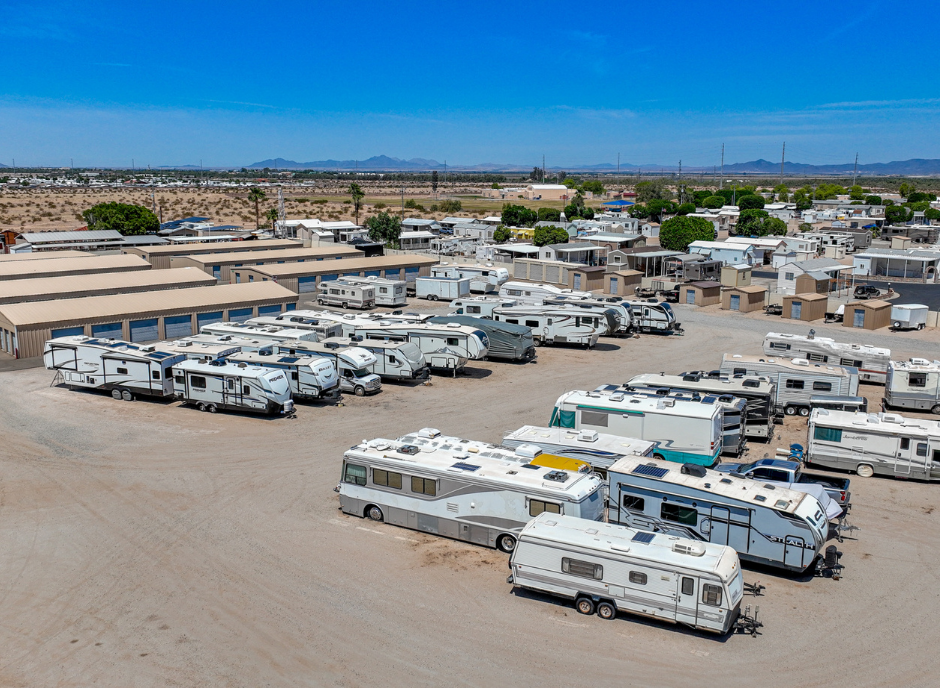
Buying existing assets is the “cash flow now” approach—and in this market, that matters.
Why Investors Are Leaning Toward Acquisitions
1. Immediate income
You’re stepping into an operating business with tenants already in place.
2. Easier to finance (relatively speaking)
Stabilized assets are more attractive to lenders than speculative builds.
3. Value-add opportunities
Many older facilities are under-managed—rents below market, no online leasing, poor marketing. Fix that, and you create upside without pouring concrete.
4. Price adjustments are happening
Some sellers are adjusting expectations after the peak. That creates buying opportunities—if you’re disciplined.
The Reality Check
1. You inherit problems
Deferred maintenance, bad layouts, operational inefficiencies—it comes with the deal.
2. Cap rates haven’t fully reset everywhere
Some assets are still priced like it’s 2021. You need to be selective.
3. Limited inventory in strong markets
High-quality deals don’t sit long.
Translation: Buying is less risky upfront—but your upside is tied to how much you can improve what already exists.
So… Build or Buy?
Here’s the straight answer:
Build if:
Buy if:
What We’re Seeing in the Southwest
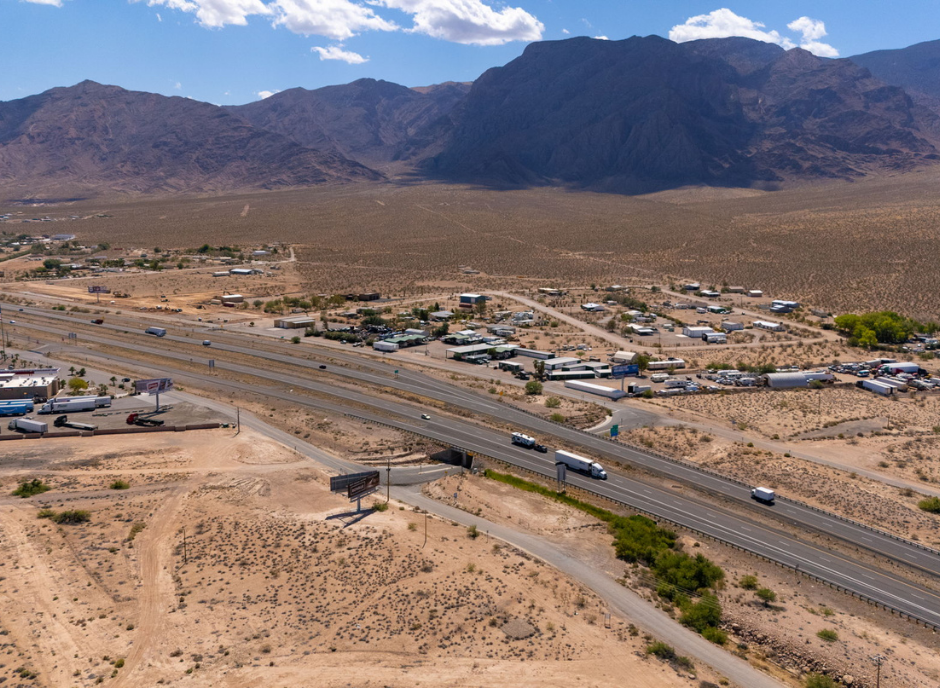
Across Arizona, Utah, and Nevada, we’re seeing a clear pattern:
In short: the easy money is gone—but the smart money is still moving.
Final Thought
If you’re waiting for a “perfect” time, you’ll be waiting a long time.
The better question is: Which strategy gives you the best odds based on your resources and your market?
Because right now, both paths can work.
But only one is going to work for you.
Want Help Evaluating a Deal?
Whether you’re considering development or looking at acquisitions, having real market data—and honest feedback—makes all the difference.
Reach out to our team at The Gorden Group. We’ll help you cut through the noise and make the right move for your portfolio. Contact Us